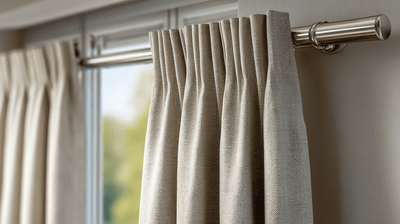
Knowing how to hang drapes from ceiling instantly changes how a space feels by creating the illusion of height, adding visual structure, and making rooms look more intentional without permanent construction or custom millwork. This approach works just as well in residential interiors as it does for events, photo studios, and large installations where ceiling-hung backdrop curtains create seamless, floor-to-ceiling coverage. From selecting the right fabric weight to installing the proper hardware, ceiling draping is less about decoration and more about precision, since small details like mounting height and fabric flow determine whether the final result looks professionally styled or awkwardly improvised.
Why Hang Drapes From Ceiling
Hanging drapes from the ceiling changes how a space is perceived. Instead of cutting the wall visually at the window frame, ceiling-mounted drapes pull the eye upward, making ceilings appear taller and rooms feel more open. This is one of the easiest ways to create a high-end look without altering walls or window structures.
Ceiling installations also offer more flexibility than traditional wall-mounted rods. They allow full wall coverage, better light control, and cleaner lines, especially when using floor-to-ceiling fabrics like ceiling-hung backdrop curtains for larger spaces, events, or rooms that need seamless coverage. When done correctly, the result looks intentional and architectural, not decorative clutter.
What You Need Before You Start
Installing drapes from the ceiling depends heavily on preparation, because all of the weight is supported overhead and every detail is visible once the panels are in place. Choosing ceiling-rated hardware that matches the weight and width of your fabric helps prevent sagging, shifting, or uneven spacing over time. Having the correct tools and accessories ready before installation also ensures precise placement, which is especially important for ceiling-mounted drapes where even small alignment issues are noticeable.
- Ceiling curtain rod or track – supports the drapes and allows them to hang evenly from ceiling to floor
- Ceiling brackets – secure the rod or track to the ceiling and must be rated for the fabric’s weight
- Screws and ceiling anchors – keep hardware firmly in place and prevent pullout over time
- Drill – creates clean pilot holes for accurate and secure mounting
- Measuring tape – ensures proper width coverage and balanced spacing
- Pencil – marks bracket placement before drilling
- Level – keeps the rod or track straight across the ceiling
- Curtain rings, clips, or gliders – help panels move smoothly and maintain consistent spacing
Having everything prepared before installation keeps the process controlled and minimizes adjustments once the drapes are up.


How to Hang Drapes From Ceiling (Step-by-Step)
Hanging drapes from the ceiling is less about complexity and more about accuracy. The goal is to create a straight, stable installation that allows the fabric to fall cleanly from ceiling to floor without gaps or sagging.
Step 1: Measure the width and drop

Measure the total width you want to cover, not just the window frame. Ceiling-mounted drapes work best when they extend beyond the window on both sides. Measure from the ceiling to the floor to determine panel length and confirm that your drapes will reach or lightly skim the floor.
Step 2: Mark bracket or track placement

Using a measuring tape and pencil, mark where the ceiling brackets or track mounts will be installed. Keep spacing consistent across the width, and use a level to ensure the line is straight. Even slight misalignment is noticeable with ceiling-mounted drapes.
Step 3: Drill pilot holes and install anchors

Drill pilot holes at each marked point. If mounting into drywall or plaster, insert ceiling anchors to support the weight of the drapes. This step is critical for preventing sagging or hardware pullout over time.
Step 4: Secure the ceiling brackets or track

Attach the brackets or track mounts using screws rated for ceiling use. Tighten securely, but avoid overtightening, which can weaken anchors or damage the ceiling surface.
Step 5: Install the rod or track system

Place the curtain rod into the brackets or snap the track into place. Use a level again to confirm everything is straight before moving on.
Step 6: Hang the drapes

Attach the drape panels using rings, clips, or gliders, then distribute the fabric evenly across the rod or track. Adjust spacing to achieve a full, balanced look.
Step 7: Final adjustments
Check that the drapes hang evenly and touch or lightly float above the floor. Make small adjustments to panel spacing or hardware alignment as needed to ensure a clean, finished appearance.
When installed correctly, ceiling-mounted drapes should move smoothly, hang straight, and visually extend the height of the space without drawing attention to the hardware.
Design Tips for a Clean, Elegant Look
Ceiling-mounted drapes look most polished when the emphasis stays on clean vertical lines and balanced proportions. Using floor-length panels that touch or lightly skim the floor creates a continuous flow from ceiling to ground, which visually lifts the height of the room. For wider windows or full wall coverage, evenly spacing panels across the rod or track helps maintain symmetry and prevents the drapes from looking stretched or uneven.
Keeping the design simple enhances the overall effect. Layering sheer drapes with heavier panels allows flexibility for light control while preserving a soft, refined look. Neutral colors and solid fabrics tend to work best for ceiling installations, as bold patterns can distract from the streamlined silhouette. Choosing low-profile ceiling tracks or simple rods keeps the hardware discreet, allowing the fabric to remain the focal point and giving the space a clean, elegant finish.
Best Fabrics for Ceiling Drapes
When drapes are mounted from the ceiling, fabric choice affects both appearance and performance. Ceiling-hung panels are fully exposed from top to bottom, which means the fabric must fall evenly, handle longer drops, and maintain its shape without sagging. Lightweight, flexible materials tend to perform best, especially for beginners or large installations.
Best Fabric Options for Ceiling Drapes
-
Sheer Fabrics
Lightweight and easy to work with, sheers create soft movement and visually open up a space without stressing ceiling hardware. They are ideal for living rooms, layered designs, and large-scale installations where ceiling-hung backdrop curtains create seamless coverage. -
Velvet and Heavyweight Fabrics
These fabrics add richness, insulation, and depth, but require reinforced ceiling hardware and precise spacing. When installed correctly, velvet drapes create a dramatic, polished look suited for bedrooms, formal living areas, and media rooms. -
Blackout Fabrics
Designed for function first, blackout drapes block light and improve privacy. Ceiling mounting eliminates light gaps above the window and creates a cleaner silhouette, making them ideal for bedrooms and shared living spaces. -
Linen Blends and Cotton Fabrics
These fabrics offer texture and a relaxed aesthetic without excessive weight. They work best with wider panel spacing to avoid stiffness and are commonly used in casual, modern, or transitional interiors.
Fabric Selection Tips
For ceiling-mounted drapes, fabrics should drape naturally and maintain consistent weight from top to bottom. Extremely stiff materials can exaggerate uneven spacing, while overly glossy finishes tend to highlight folds and seams. Regardless of fabric type, using enough fabric is essential. Planning for 1.5 to 3 times the window width helps achieve a full, balanced look from ceiling to floor.
A Clean Finish That Elevates Any Space
Hanging drapes from the ceiling is a simple change that delivers a noticeable visual upgrade by creating taller proportions and a more cohesive look throughout the space. Extending fabric from ceiling to floor helps walls feel longer, softens hard lines, and gives the installation a built-in, intentional appearance rather than an added decorative layer. When the right fabric, hardware, and placement come together, ceiling-mounted drapes elevate the overall design without relying on complex construction or custom work.