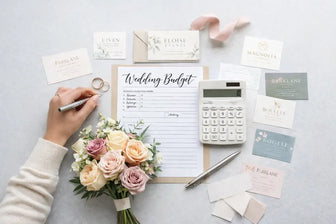
One of the first questions couples ask when planning a wedding is how much does a wedding cost. The answer is not a single fixed number. Wedding costs vary widely depending on location, guest count, and the type of celebration you want. While national averages can help set expectations, understanding what actually goes into the total cost is far more important.
This guide breaks down the average wedding cost, explains where the money typically goes, and highlights expenses many couples overlook when planning.
Average Wedding Cost in the United States
In the United States, the average cost of a wedding generally falls in the tens of thousands of dollars. This figure usually reflects a traditional wedding that includes a ceremony, reception, food and beverages, photography, and entertainment.
It is important to treat averages as reference points, not rules. Smaller weddings, weekday celebrations, or nontraditional formats often cost significantly less, while weddings held in major cities or luxury venues can exceed national benchmarks.

What Makes Weddings Expensive?
Venue and Catering
Venue rental and catering typically make up the largest portion of a wedding budget. This includes the event space, food, beverages, service staff, and rentals such as tables, chairs, tablecloths, linens, and charger plates. Because many of these costs are charged per guest, this category can scale quickly as the guest list grows.
Guest Count
Guest count directly affects overall cost. Food, drinks, seating, favors, invitations, and even decor increase with every additional attendee. Managing the guest list is one of the most effective ways to control spending.
Photography and Videography
Professional photography and videography are often prioritized because they preserve memories long after the wedding day. These services usually represent a meaningful portion of the total budget.
Attire and Styling
Wedding attire includes more than the dress or suit. Alterations, accessories, shoes, hair, makeup, and fittings should all be factored into this category.
Entertainment
Music and entertainment help set the tone of the celebration. DJs, live bands, sound equipment, and lighting all contribute to this expense.
Flowers and Decor
Decor costs vary depending on design complexity, floral arrangements, and rental needs, including tabletop centerpieces, table accents, candles, and backdrop drapes. Without careful planning, this category can grow larger than expected.

Wedding Costs Many Couples Overlook
Many wedding budgets fall apart not because of the big expenses, but because of smaller costs that are forgotten early on.
Taxes and Service Fees
Service charges and taxes are often added on top of quoted prices. These fees can significantly increase the final total if not reviewed carefully.
Vendor Meals and Gratuities
Vendors who work long hours typically require meals, and gratuities may be expected depending on contracts and local customs.
Overtime Fees
If the celebration runs longer than planned, venues and vendors may charge additional hourly fees.
Permits and Insurance
Outdoor or nontraditional venues may require permits or event insurance, which are rarely included in early budget estimates.
Transportation
Transportation for the couple or guests, especially when venues are in different locations, can become a notable expense.
Favors and Welcome Items
Small per-guest items may seem inexpensive individually, but costs add up quickly when multiplied across the entire guest list.
Rings and Legal Costs
Marriage licenses, officiant fees, and wedding rings are part of the overall cost of getting married, even though they are separate from the wedding event itself.
What Affects Wedding Costs the Most?
Several factors consistently have the biggest impact on total wedding cost:
- Location Weddings in major metropolitan areas tend to cost more than those in smaller cities or rural areas.
- Season and timing Peak seasons and weekend dates are usually more expensive than off-season or weekday celebrations.
- Venue type All-inclusive venues offer convenience, while a la carte venues provide flexibility but can increase total costs.
- Personal priorities Spending more on what matters most helps keep the overall budget balanced.
Planning With Realistic Expectations
Understanding the average wedding cost helps set expectations, but thoughtful planning determines what you actually spend. Strong budgets focus on major expenses first, account for hidden costs, and allow flexibility rather than aiming to match national averages.
Every wedding is different, and the best budget is one that reflects your priorities, your guest list, and the experience you want to create.